When Is the Cheapest Time of Year for Tree Removal in Delaware?
The cheapest time for tree removal in Delaware is late fall through winter, roughly late November to March. Demand drops once the leaves are down, crews have open schedules, and dormant trees are lighter and easier to take apart. Homeowners in Greenville, Hockessin, and Pike Creek who can plan ahead often book non-emergency removals in this window for the best price.
Explore Blue Rock's tree removal services →
Key Takeaways
- The cheapest window is late fall through winter (roughly November to February), per Tree Scouts and LawnStarter
- Lower winter demand and easier dormant-tree work are the two reasons prices soften
- Angi reports some homeowners save up to about 20% by scheduling off-season, though savings shrink in mild winters
- Delaware's leaf-off, dormant season runs roughly late November through March
- Never delay removal of a dead, leaning, or hazardous tree just to chase a seasonal discount
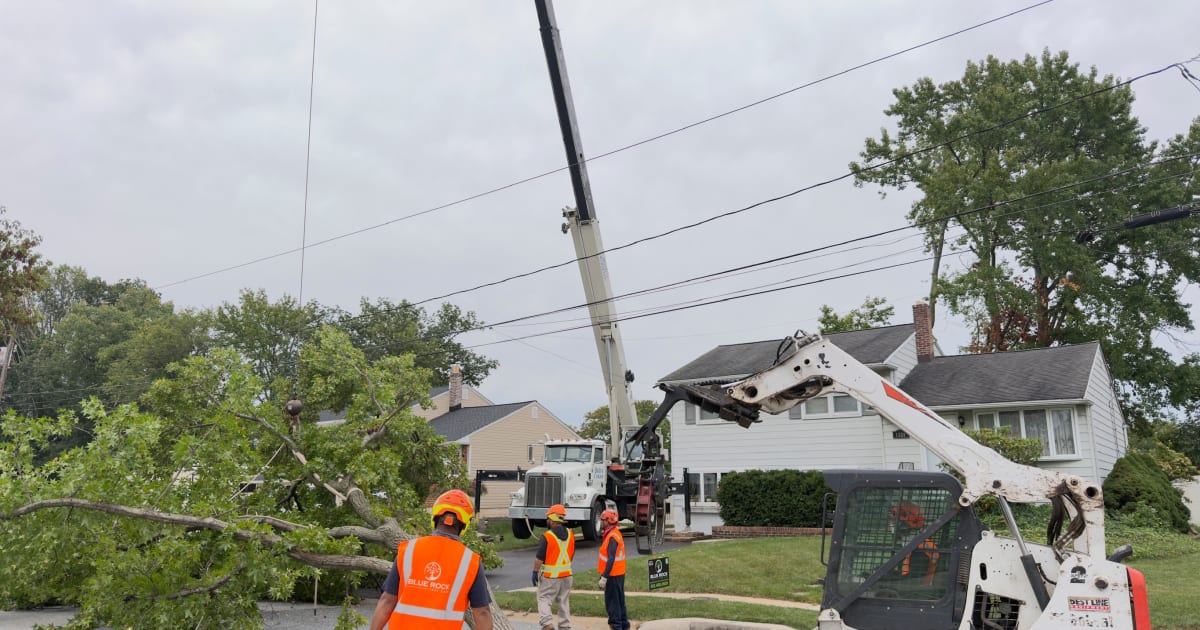
When Is the Cheapest Time of Year for Tree Removal in Delaware?
Late fall through winter is the most affordable window. In 2025, Tree Scouts identified late fall to winter, roughly November through February, as the cheapest stretch of the year to hire tree removal (Tree Scouts, 2025). LawnStarter reaches the same conclusion, calling late winter to early spring the most economical season to schedule the work (LawnStarter, 2025).
For Delaware specifically, that means the quiet weeks after the leaves drop and before spring growth returns. It is the opposite of peak season. Spring and summer are when most homeowners call, when storms generate emergency work, and when crews are booked solid. Two forces set the price: how busy the crews are, and how much work the tree itself takes. Winter softens both.
Why Is Winter the Cheapest Season for Tree Removal?
Demand is the biggest reason. When the calls slow down, pricing gets more competitive. Tree Scouts notes that companies often lower winter pricing specifically to keep their crews working through the slow season (Tree Scouts, 2025). A crew with an open Tuesday in January is in a very different position than one with a three-week backlog in June.
How much does that save you? Angi reports that some homeowners save more than 20% by scheduling in winter, while cautioning that the savings are smaller in milder climates (Angi, 2025). Treat that 20% as a ceiling, not a promise. Delaware winters are mild compared to New England, so the realistic off-season saving here is meaningful but usually more modest. The point stands: the same tree generally costs less to remove in February than in May.
A quick word of honesty from our side. The discount is real, but it is rarely dramatic. The bigger savings almost always come from the tree itself and from getting more than one quote, which we cover in our full Delaware tree removal cost guide.
How Does Dormancy Make a Tree Cheaper to Remove?
A dormant tree is simply less work. In 2025, LawnStarter explained that leafless, dormant deciduous trees are lighter and easier to cut and clear, and that frozen or firm ground minimizes damage to the surrounding landscape (LawnStarter, 2025). Less foliage means less debris to chip and haul, and bare branches give the climber far better sightlines for rigging.
When is a tree actually dormant in Delaware? The state sits in USDA hardiness zones 7a and 7b. In the mid-Atlantic, Davey Tree notes that leaves generally begin falling in October, with maples dropping first and oaks holding their brown leaves until winter storms strip them, sometimes as late as January (Davey Tree, 2024). That puts Delaware's practical leaf-off, dormant window at roughly late November through March, with December and February being the quietest, lowest-demand weeks.
There is a second benefit homeowners rarely think about. We have removed trees over lawns and garden beds in Hockessin and Brandywine Hundred where summer-soft ground would have rutted under the equipment. On firm winter ground, the same job leaves the turf intact. That protects your property and saves you a spring repair bill.
Is the Cheapest Time Always the Right Time?
No. Price is only one factor, and it is never the most important one. A dead, leaning, split, or storm-damaged tree is a safety problem, and safety problems do not wait for a seasonal discount. According to the International Society of Arboriculture, compromised trees fail unpredictably, and that risk only grows the longer the tree stands (ISA, 2024). A few hundred dollars of off-season savings is no bargain if a limb comes through your roof in the meantime.
"When a tree came down on our garage at our new house, we didn't know who to call. Neighbors recommended Blue Rock. They came out the very next day." — Mallory Greene, Delaware
If you are seeing the warning signs that a tree needs to come down, or a storm has already done damage, call now and let us assess it. Our storm damage and emergency service runs 24 hours a day, 7 days a week, precisely because hazards do not keep a schedule. Save the seasonal-timing strategy for the healthy trees you simply want gone.
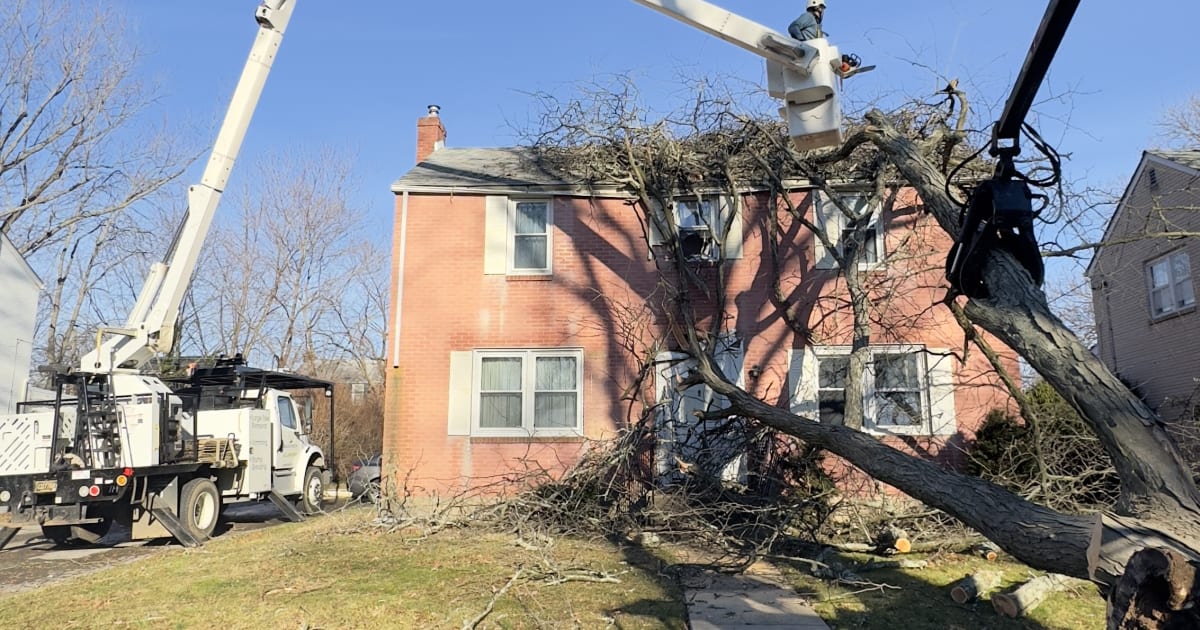
How Much Can You Actually Save in the Off-Season?
Less than most people expect from timing alone, and more than most people expect when timing is combined with smart shopping. HomeAdvisor puts the national average tree removal cost at about $750, with most jobs landing between $200 and $2,000 (HomeAdvisor, 2025). A modest off-season percentage on a job that size is real money, but it will not change which size bracket your tree falls into.
The biggest levers are the tree, not the calendar. Size, access, and whether a crane is needed move the price far more than the month you book. The off-season is best thought of as a discount you stack on top of a fair, itemized quote, not as the main event.
"Price very competitive, if not the least expensive. I can't be more impressed." — Wayne Smeigh, Delaware
| Season in Delaware | Crew demand | Typical pricing | Best for |
|---|---|---|---|
| Late fall to winter (Nov–Mar) | Low | Most competitive | Planned, non-urgent removals |
| Early spring (Mar–Apr) | Rising | Climbing | Pre-growth cleanup |
| Late spring to summer (May–Aug) | High | Peak | Emergencies and must-do work |
| Storm events (any season) | Surges | Premium | Safety, not savings |
For the full breakdown of what drives a Delaware quote up or down, see our tree removal cost guide for Delaware.
When Should You Book to Lock In a Winter Slot?
Earlier than you think. The best off-season pricing goes to homeowners who plan ahead, because winter slots fill up after the first ice storm or wind event sends a wave of emergency calls. In our work across New Castle County, the homeowners who get the smoothest winter scheduling are the ones who request an estimate in the fall, while the trees still have leaves and we can see exactly what we are dealing with.
A fall walkthrough also lets us flag anything that should not wait. If a tree is structurally sound and you simply want it gone, we can schedule it into the quiet winter weeks. If it is a hazard, we tell you straight, and we handle it on a safer timeline. Either way, the estimate is free, so there is no cost to planning ahead.
"Blue Rock Tree Company far exceeded our expectations with the removal of a very large diseased oak tree including the stump. Not only were their prices the best we found, but they were professional, extremely prompt." — Joanne Ott, Delaware
Get a free tree removal estimate for your Delaware property →
Frequently Asked Questions
Is it cheaper to remove a tree in winter in Delaware?
Usually, yes. Winter is the off-season for tree work, so demand and pricing both fall. Tree Scouts and LawnStarter both identify late fall through winter as the most economical time to schedule removal. In Delaware's mild climate the savings are real but modest, and they stack best on top of a fair, itemized quote.
What is the best month for tree removal in Delaware?
December through February are typically the quietest, lowest-demand months in Delaware, which makes them the most affordable for planned removals. By then most trees are fully dormant and leaf-free, the ground is firmer, and crews have open schedules before the spring rush begins.
Should I wait until winter to remove a dead or hazardous tree?
No. A dead, leaning, split, or storm-damaged tree is a safety risk that grows the longer it stands, and it can fail without warning. Any potential off-season savings are not worth that risk. Have a hazardous tree assessed right away. Save seasonal timing for healthy trees you simply want removed.
Do you remove trees in winter in Hockessin and Pike Creek?
Yes. We work year-round across Hockessin, Pike Creek, Greenville, and the rest of New Castle County, and winter is one of our best seasons for planned removals. Firm, leaf-off conditions are ideal for protecting lawns and getting clean access on the wooded, hilly lots common in these communities.
How far in advance should I schedule winter tree removal in Greenville, DE?
We recommend booking your estimate in the fall. Winter slots fill quickly once the first ice or wind storm triggers a wave of emergency calls. Requesting an assessment while the leaves are still up gives us the clearest view of the tree and locks in your place on the off-season schedule.
Do I need a permit to remove a tree on my property in Wilmington, DE?
For most private-property trees in Delaware, no permit is required. Wilmington and some New Castle County areas do regulate street trees and trees above a certain diameter. We check local requirements before scheduling and advise you upfront, so the timing of your removal is never held up by paperwork.
Does Blue Rock offer free estimates in the off-season?
Yes. Our estimates are free, written, and itemized year-round, including the off-season. A fall or winter walkthrough costs you nothing and is the best way to confirm whether a tree should be handled now or scheduled into the quieter, lower-cost winter weeks.
Get a Free Off-Season Tree Removal Estimate in Delaware
If you have a healthy tree you want gone, timing it for the off-season is a smart way to save. Blue Rock Tree Care has served Greenville, Hockessin, Pike Creek, and all of New Castle County since 2017, with a 4.9-star Google rating from more than 85 reviews. We are licensed, insured, and work to ANSI A300 industry standards on every job, every season.
Call us at 302-408-0626 or request a free estimate online. For urgent situations, we're available 24 hours a day, 7 days a week.
Explore Blue Rock's full range of tree care services in Delaware →